
NEWS
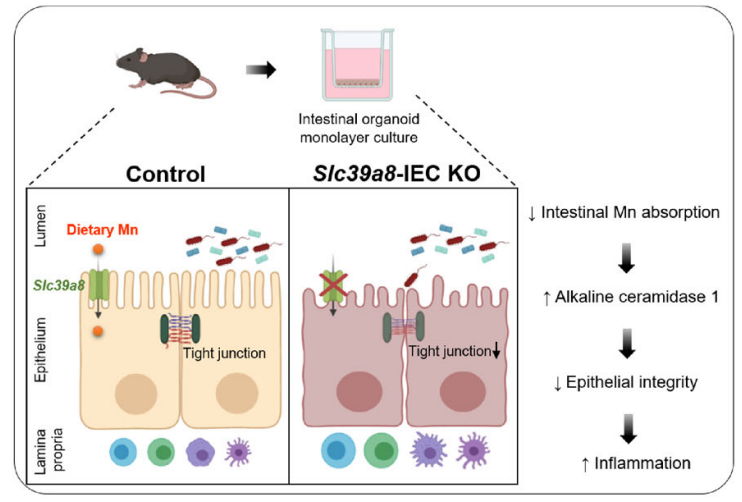
New paper published in Nature Communications!
“The manganese transporter SLC39A8 links alkaline ceramidase 1 to inflammatory bowel disease”
Work led by Dr. Eun-Kyung Choi, a postdoctoral research fellow in the Seo lab, uncovered how the manganese transporter SLC39A8 contributes to the pathogenesis of inflammatory bowel disease.
The metal ion transporter SLC39A8 is associated with physiological traits and diseases, including blood manganese (Mn) levels and inflammatory bowel diseases (IBD). The mechanisms by which SLC39A8 controls Mn homeostasis and epithelial integrity remain elusive. Here, we generate Slc39a8 intestinal epithelial cell-specific-knockout (Slc39a8-IEC KO) mice, which display markedly decreased Mn levels in blood and most organs. Radiotracer studies reveal impaired intestinal absorption of dietary Mn in Slc39a8-IEC KO mice. SLC39A8 is localized to the apical membrane and mediates 54Mn uptake in intestinal organoid monolayer cultures. Unbiased transcriptomic analysis identifies alkaline ceramidase 1 (ACER1), a key enzyme in sphingolipid metabolism, as a potential therapeutic target for SLC39A8-associated IBDs. Importantly, treatment with an ACER1 inhibitor attenuates colitis in Slc39a8-IEC KO mice by remedying barrier dysfunction. Our results highlight the essential roles of SLC39A8 in intestinal Mn absorption and epithelial integrity and offer a therapeutic target for IBD associated with impaired Mn homeostasis.
Read the paper here: https://www.nature.com/articles/s41467-024-49049-8

New paper published in Nature Chemical Biology!
“Minimizing higher-order aggregation maximizes iron mobilization by small molecules”
The natural product hinokitiol mobilizes iron across lipid bilayers at low concentrations and restores hemoglobinization in iron transporter protein-deficient systems. But hinokitiol fails to similarly mobilize iron at higher concentrations, limiting its uses in chemical biology and medicine. Here we show that at higher concentrations, hinokitiol3:Fe(III) complexes form large, higher-order aggregates, leading to loss of transmembrane iron mobilization. Guided by this understanding and systematic structure–function studies enabled by modular synthesis, we identified FeM-1269, which minimally aggregates and dose-dependently mobilizes iron across lipid bilayers even at very high concentrations. In contrast to hinokitiol, FeM-1269 is also well-tolerated in animals at high doses for extended periods of time. In a mouse model of anemia of inflammation, FeM-1269 increases serum iron, transferrin saturation, hemoglobin and hematocrit. This rationally developed iron-mobilizing small molecule has enhanced potential as a molecular prosthetic for understanding and potentially treating iron transporter deficiencies.
Read the paper here: https://www.nature.com/articles/s41589-024-01596-3
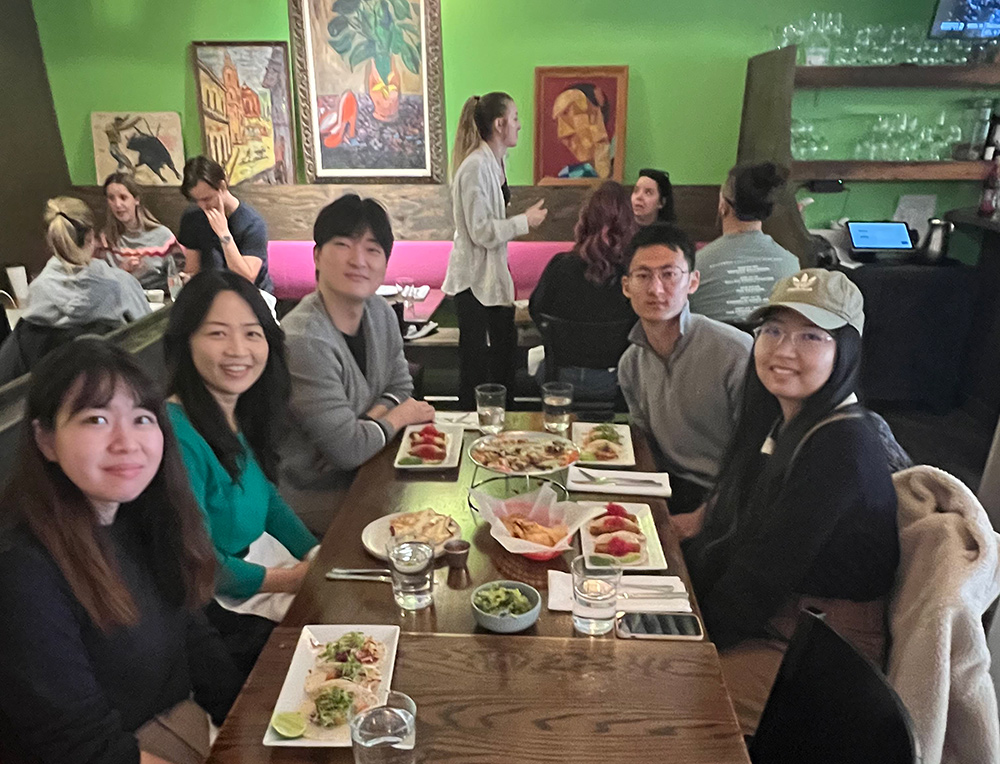
Welcome, Bingcong and Delores!
We warmly welcome Bingcong and Delores, MS students in the Nutritional Sciences program, to the Seo lab!
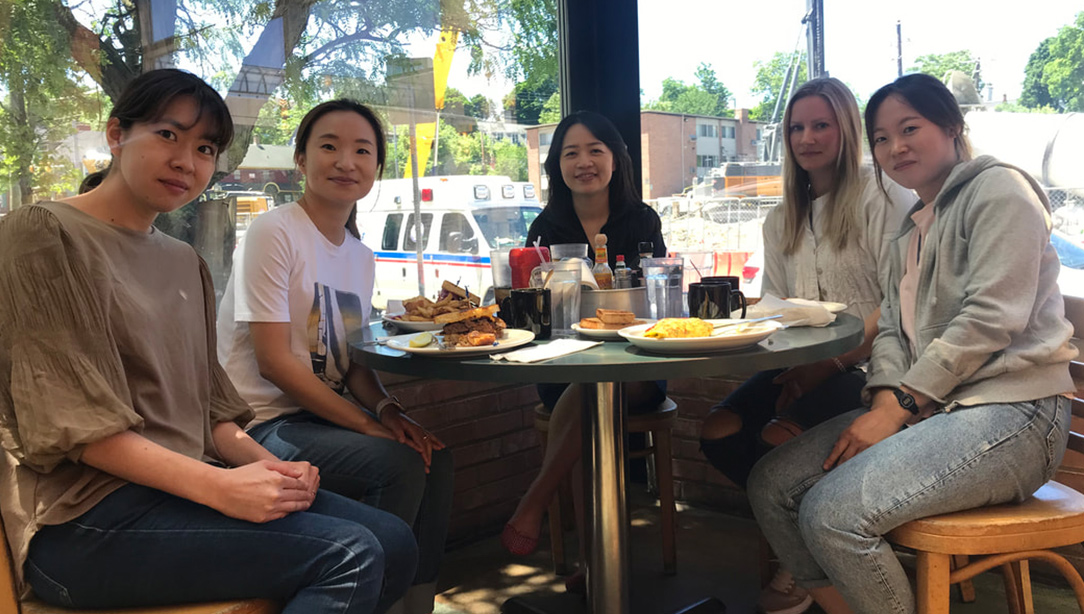
Welcome, Sangnam and Yuka!
We warmly welcome Sangnam and Yuka to the Seo lab!
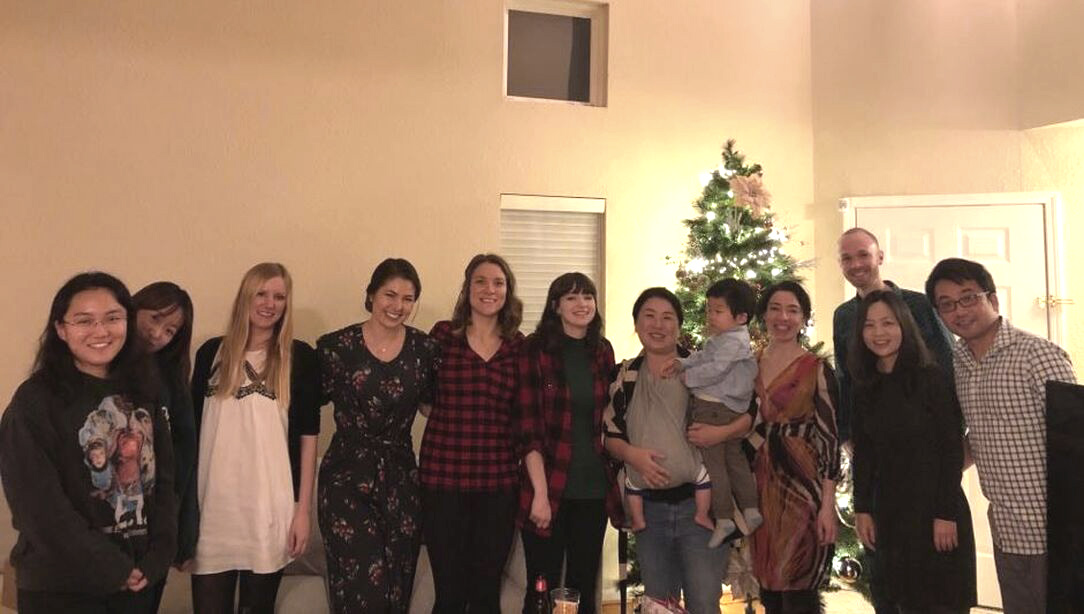
2019 Iwase & Seo lab Christmas Party!
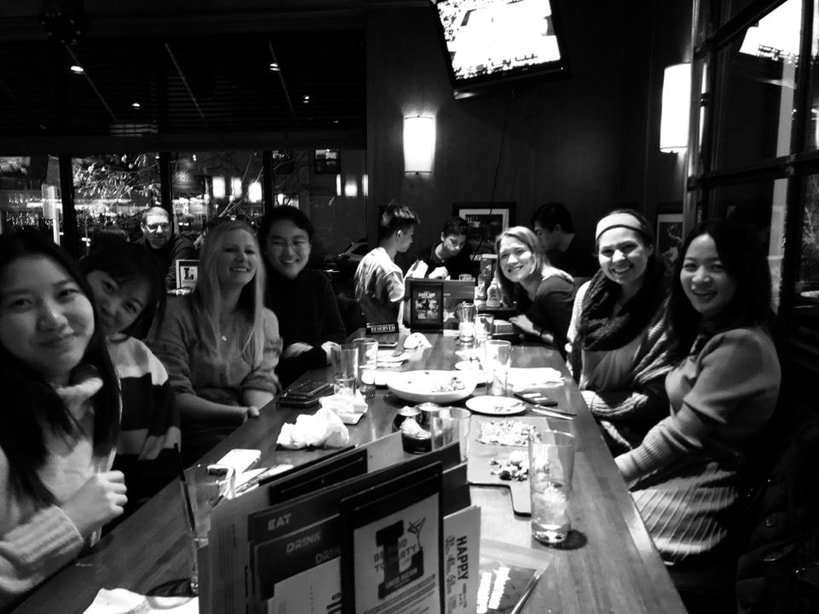
2019 Lab Happy Hour
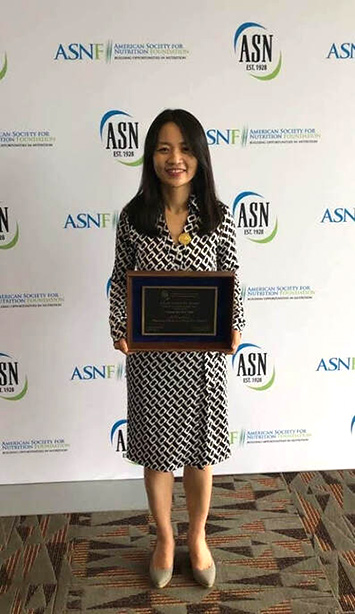
Dr. Seo received the Outstanding Young Investigator Award from the American Society for Nutrition!

2019 Happy Birthday to Eunkyeong!

Welcome, Luisa, a PhD exchange student from Ruhr University in Germany!
We are happy to welcome Luisa Aring, a PhD exchange student from Ruhr-University Bochum in Germany! Luisa is pursuing her PhD project in the Seo lab at the University of Michigan. She will be working to investigate how iron plays a role in neurodegeneration with brain iron accumulation (NBIA) disorders.

2019 Congratulations Robert! @ UROP Symposium

2018 Iwase & Seo Lab Chrismas Party!
